

The 2026 summer solstice arrives at 8:25 UTC on June 21. It's a one-day photo prompt with built-in golden hour that most people never actually photograph. This guide is a simple way to shoot it and turn one Sunday into a small wall print or a photo book. Let's get into it!
When the 2026 summer solstice actually happens
The 2026 summer solstice is the day Earth's tilt toward the sun is at a maximum. That tilt is why the Northern Hemisphere gets the shortest nights and longest days of the year, and the peak lands on Sunday, June 21.
The date carries weight beyond the calendar. Some 5,000 years ago, people aligned the stones at Stonehenge with the June solstice sunrise, and thousands still gather there every year to mark it. Your version doesn't need a megalith. It needs a phone, a window, and a willingness to stand outside for ten minutes.
Build a small shot list before the sky cooperates
A solstice plan beats a solstice scramble. Aim for three to five frames you can actually capture between waking up and going to bed.
- The first window of light in your kitchen, before anyone else is up
- A backyard or sidewalk scene at solar noon, when the shadows are shortest
- One late-afternoon portrait of a person or a pet in their favorite spot
- A wide view of your street or skyline as the sun finally dips
- The same view fifteen minutes later, lit only by leftover sky
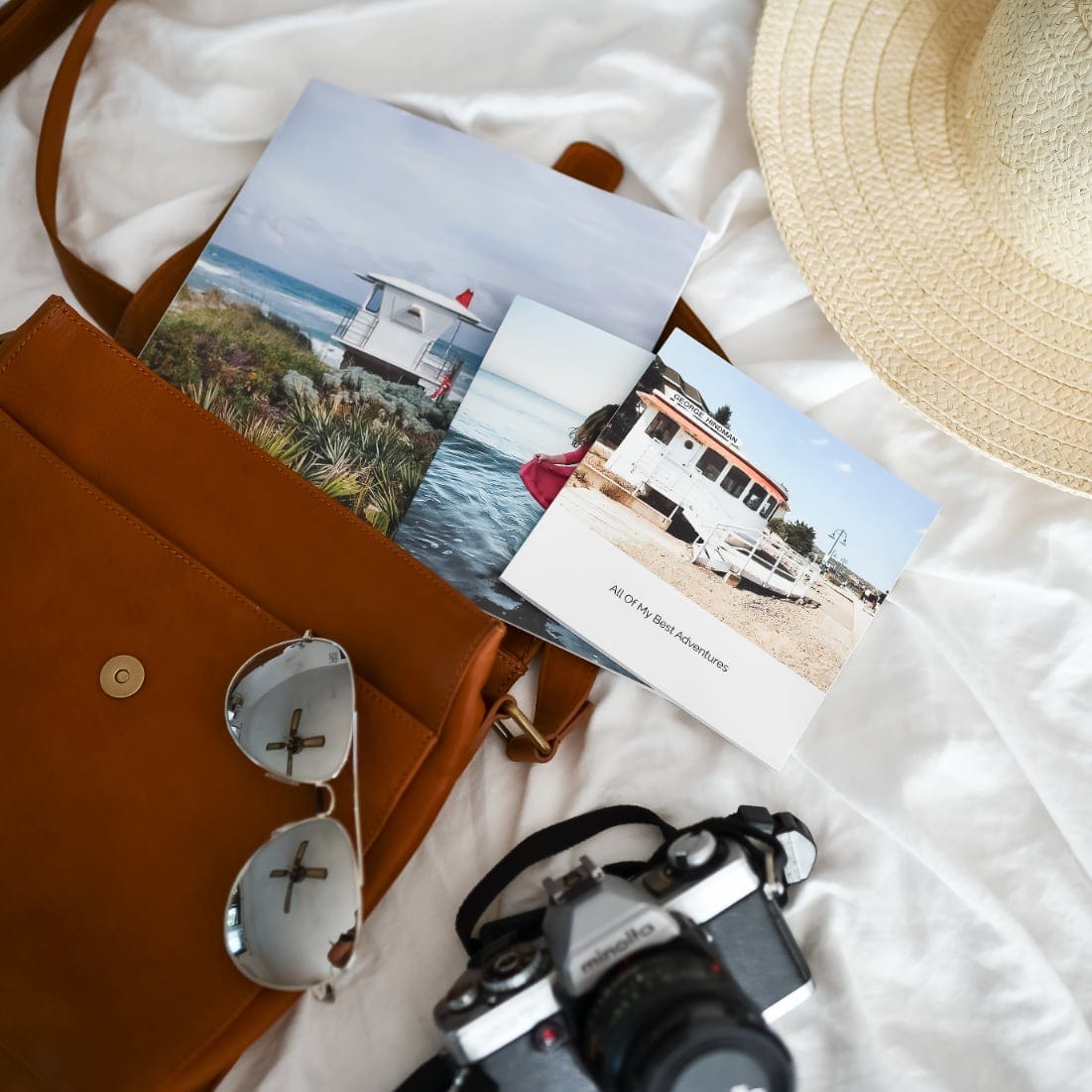
Shoot horizontally for an Engineer Print and vertically for a small wall print. Shoot squarely for the Photo Books you'll flip through in January, when the days are short again.
Use golden hour like it's your favorite filter
Golden hour is the soft, warm window just after sunrise and just before sunset. Depending on where you are, you can expect proper golden hour effects for 20–60 minutes, and in summer the sun's path is higher and slower, which can extend the duration of soft light. That's a generous window for an amateur with an iPhone. Golden hour also does the editing for you.
For people shots, try the Sandmarc move. Face your subject toward the light for even, glowing illumination, or position the sun behind them for a rim of light around their hair and shoulders. For the dreamy background, use your phone's portrait mode and tap to focus on the eyes. No filter, no preset, no panic.
Stay outside for the blue hour
Don't fret if you miss the sunset itself. Some of the best images happen in the 15–30 minutes after the sun disappears, when the sky goes that quiet, slightly purple blue. Porches glow and streetlights flicker on. Kids playing in the yard suddenly look like they belong in a story. Shoot wide and let the air do half the work. A blue-hour frame turns into a small Square Print on a shelf next to a candle.
Skip the perfect shot. Aim for the honest one.
This is the fun part. Fstoppers calls the 2026 sweet spot "loose editorial" candids. Those are beautifully composed frames that look like they belong in a high-end magazine, but captured in genuine, unscripted moments.
The shift is real. Audiences are experiencing "perfection fatigue," and raw, candid moments feel more trustworthy and emotionally resonant. Authenticity has shifted from aesthetic preference to purchasing decision. The practical line is simple. The slightly blurry photo of your dog mid-zoomie will outlive the staged one. Print that one.
Turn one Sunday into something you can hold
The solstice is a single Sunday. The print is what makes it a thing you walk past for ten years.
An Engineer Print, 36 by 48 inches of soft halftone light on extra-light paper, takes your widest sky and gives it a whole room.
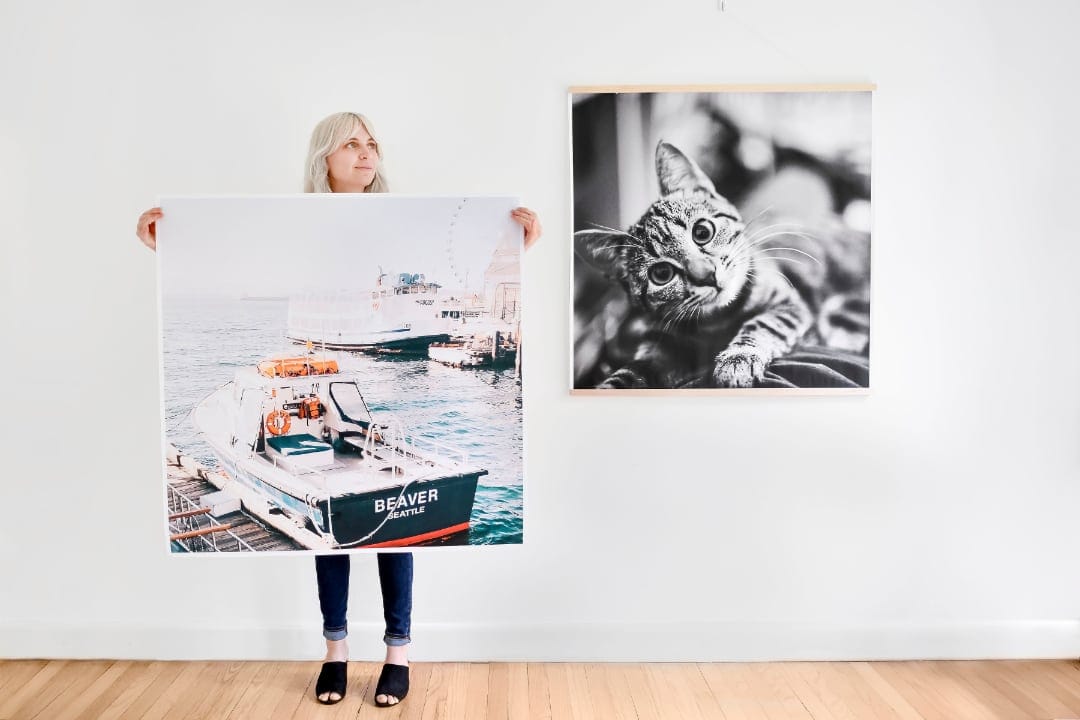
A Square Print keeps your favorite June frame at eye level on a hallway wall, and a small Photo Book holds the whole day in order, kitchen window to streetlight.
Feeling inspired?! Shop photo prints.


