

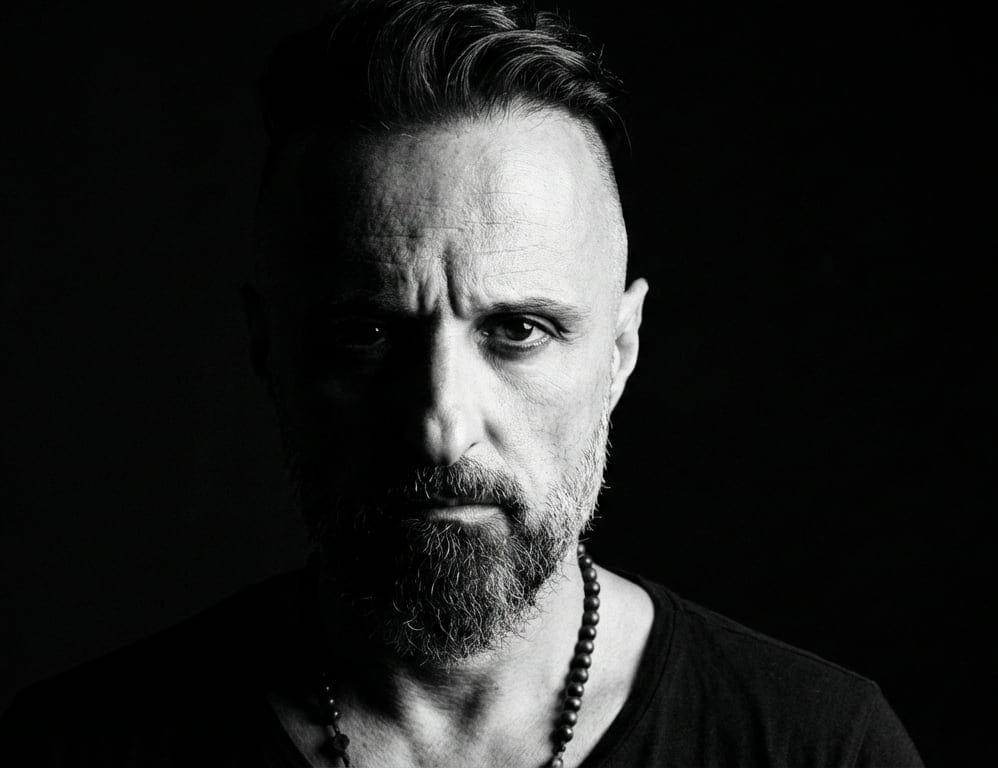
AI-smoothed, poreless faces feel a little off now, and that changes which photos belong on your wall. People are leaning back toward images that look genuinely human. If perfect reads as fake, print the photos that prove a real person was there. Let's get into it!
This isn't a niche opinion, either. In a 2025 Clutch survey of 401 U.S. consumers, 95% said they had concerns about how AI images are used, and the top worries were deception (71%) and a lack of authenticity (65%). That second number is the one we keep thinking about. Authenticity isn't a buzzword right now. It's something people actively miss.
The smoothed-face look is becoming the new uncanny
The "Instagram face" era trained us to expect glassy skin and symmetrical everything, and now that look is tipping into uncanny territory. When every pore is gone and the lighting is impossibly even, our brains file the image as manufactured, not captured. A stray flyaway hair or a little grain suddenly reads as proof of life.
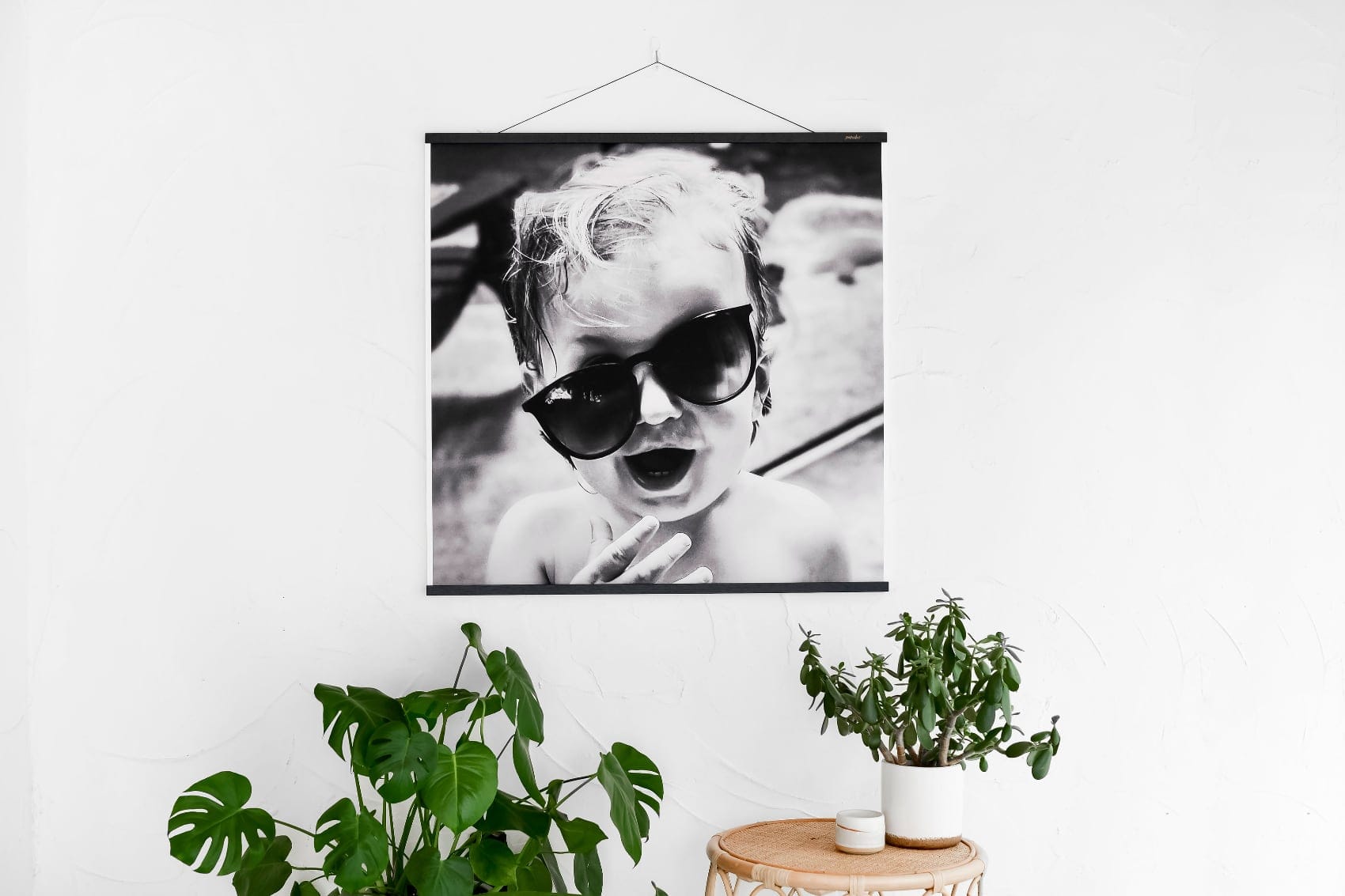
You've probably felt this scrolling already. The photo that stops you is rarely the most polished one. It's the slightly blurry shot where someone is mid-laugh and clearly real.
Most of us can't even spot the fakes
That blind spot is exactly why authenticity matters so much. The same Clutch survey found that 57% of consumers couldn't correctly identify AI-generated photos when tested, even though most went in feeling confident. When you can't reliably tell the fake from the real, the things that feel unmistakably human carry extra weight.
Brands are noticing the mood. Radio giant iHeartMedia started marketing "guaranteed human" content after research showed 90% of listeners want human-created content, and CEO Bob Pittman put it simply: "Consumers are not just looking for convenience — they're searching for meaning." A printed photo is about as far from disposable AI slop as you can get.
Why perfect now reads as machine-made
Technical perfection used to signal skill. Now it can signal software. As photography site Fstoppers put it, "a perfectly retouched portrait in 2026 looks like it could have been generated."
The photographers getting noticed this year are deliberately leaving the human stuff in. Think visible texture, imprecise framing, a tear that nobody retouched. The flaw has become the signature. For the rest of us, that's freeing. The photo you almost deleted might be the keeper.
Five photos worth printing instead
Here's the fun part. When you stop chasing flawless, your camera roll fills up with frame-worthy options. Look for these five.
The candid mid-motion shot. The one where someone is laughing, reaching, or turning, slightly out of focus. That motion is something AI tends to over-smooth, so it reads as real. A set of Square Prints is a low-stakes way to get a handful of these on a shelf.

The grainy low-light photo. The dim birthday-candle moment you assumed was ruined. Grain now signals capture, not failure, and it earns a spot on the wall as a Fine Art Print from our Wall Art collection.
The honest portrait. Freckles, laugh lines, a squint into the sun, a real expression instead of a held smile. These are the faces AI keeps trying to erase, so print one big enough to take seriously as wall art.
The hands and details. Flour-dusted fingers rolling dough, a kid's grip on a melting popsicle. These small, specific moments are deeply human, and they look striking blown up as an Engineer Print.
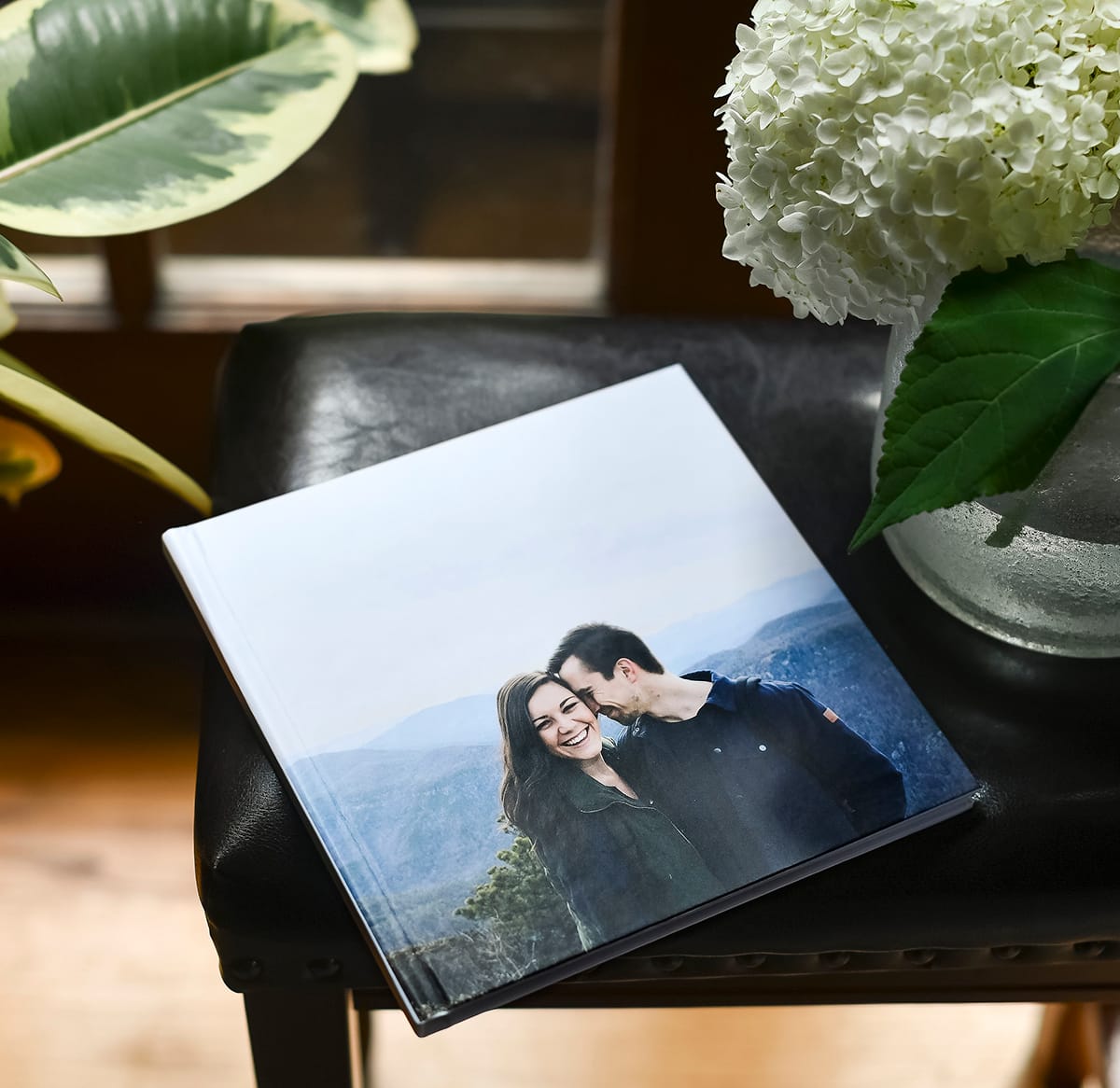
The repeat ritual. The same lake every July, the same morning coffee spot. One photo is sweet, but a sequence tells a story, which is why a Photo Book suits this one best.
None of these need a filter or a retouch. They just need to be real, and then they need to leave your phone.
Print the real ones
The takeaway is small but it sticks. In a world flooded with smoothed, synthetic faces, your slightly imperfect photos are the rare thing. They're proof you were there. Feeling inspired?! Pick three real ones this week and put them on the wall. 🙂


