
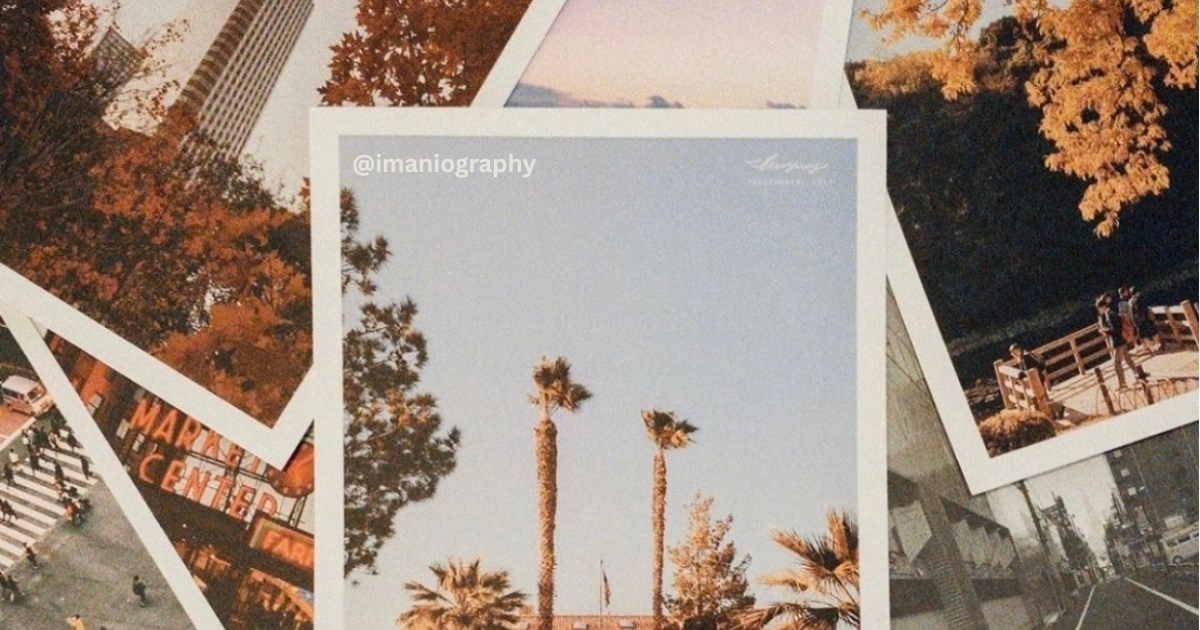

There's something so fun about disposable camera photos.
The colors aren't quite perfect, the flash is typically a little too bright, and it's hit-or-miss whether everyone's eyes are open. Regardless, the candids that turned out the most imperfect somehow always end up being your favorite.
The good news? You don't need to carry a disposable camera to get the look. A few small changes on your phone can capture the same easygoing feel, and they're even better once they're printed.
P.S. If you haven't yet, you'll notice there's a standout print featured in this piece—our Classic Prints! These are our absolute fave when we want a classic (no pun intended), vintage look and matte finish that brings you right back to the gold ol' days.
Now without further ado...
What Makes a Disposable Photo Feel Like a Disposable Photo?
It's less about perfect settings and more about letting the little imperfections stick around.
A bit of grain, colors that lean warm (or cool), and flash that lights up your friends but leaves the background in the dark.
Those details are part of the charm! It's also why disposable cameras are having such a big moment again. People love the surprise of film, but they also love photos that feel relaxed and real.
Warm Up Your Colors
One of the easiest ways to get the look is to adjust your camera's color style before you start taking photos.
If you're using an iPhone, try one of the built-in Photographic Styles and nudge the warmth up just a bit. Stick with the same style for a whole weekend or vacation.
Just like a roll of film, your photos will start to feel like they belong together.
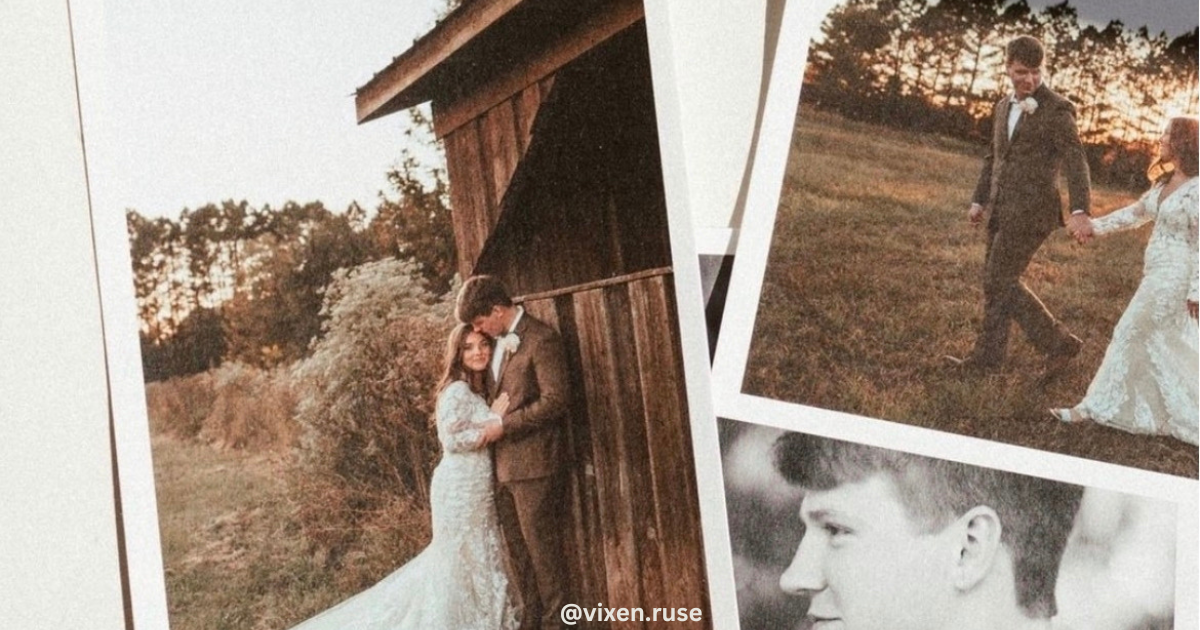
Don't Be Afraid of Flash
Disposable cameras have a look that's hard to miss with bright faces, darker backgrounds, and a little extra contrast.
You can get surprisingly close with your phone. Step in a little closer than you normally would, use your flash when the light gets low, and let the background stay a little darker.
Not every photo needs to be perfectly lit.
Keep the Slightly Messy Ones
The best disposable photos usually aren't the perfect ones.
Keep the picture where everyone's laughing, or the one that's a little blurry because your kiddo wouldn't stop moving. Those are usually the photos you'll come back to.
Print Them While They're Still Fresh
Part of the fun of disposable cameras has always been ending up with a stack of prints. You can do the same thing with your phone.
Pick your favorite photos from a weekend trip, a summer vacation, or a backyard barbecue, then turn them into a set of Square Prints or a Photo Book. Seeing them on paper feels different than scrolling past them a few months later.
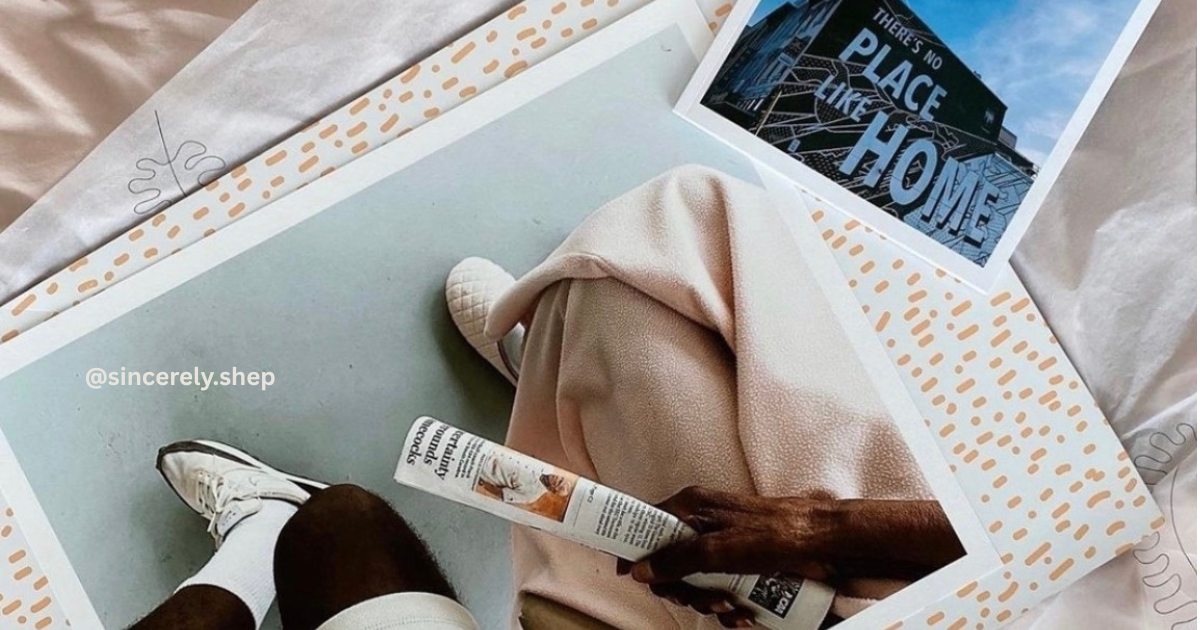
Your Summer Roll, Minus the Wait
Here's an easy challenge: spend one week pretending your phone is a disposable camera.
Pick one photo style and stick with it. Don't worry about making every shot perfect.
At the end of the week, choose your favorite 20 photos and print them.
You might be surprised which ones end up being your favorites. Our fave for a vintage look? Our Classic prints, of course! Shop them here.


